7 Common Relapse Triggers in Addiction Recovery
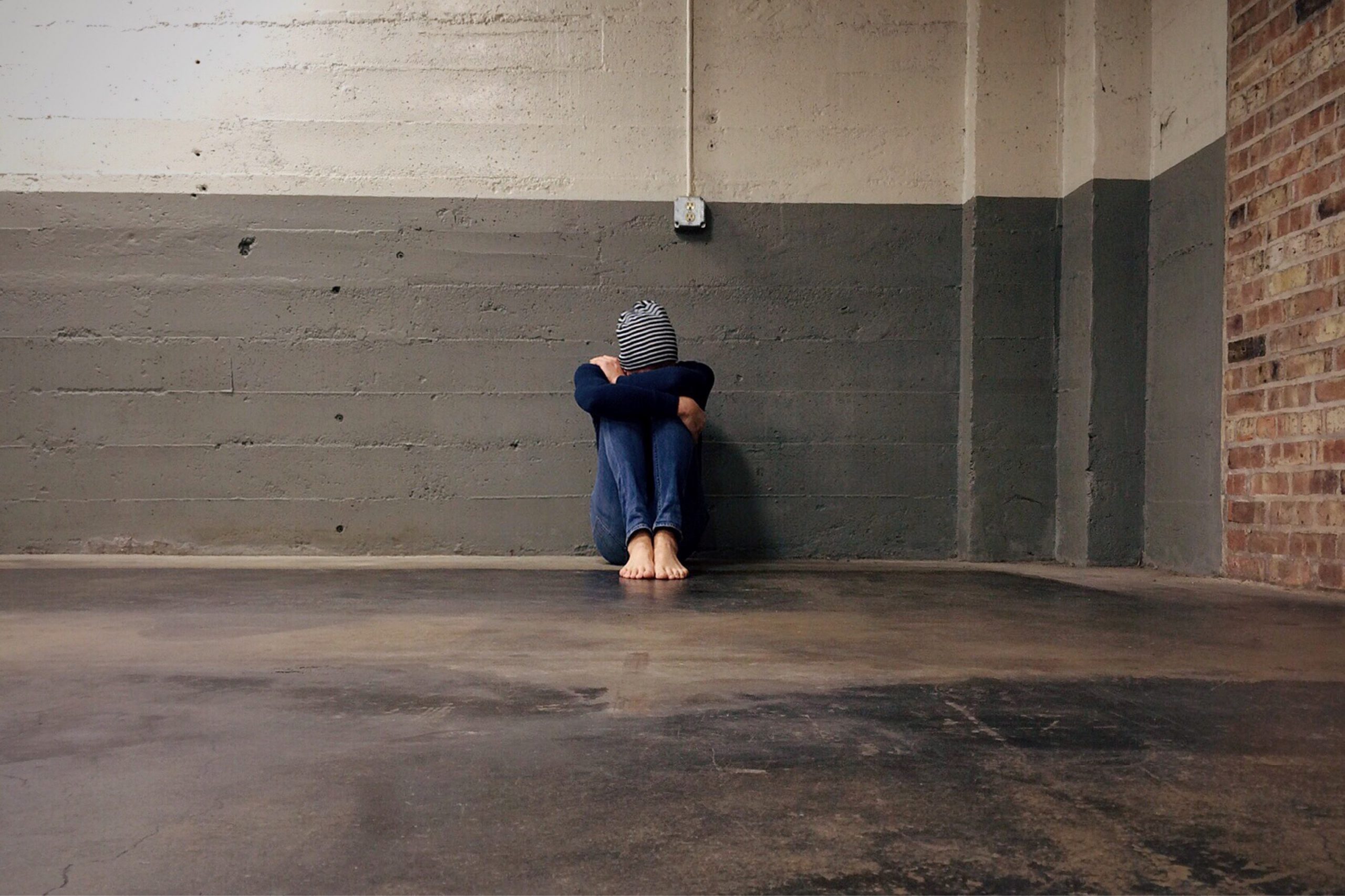
After completing addiction treatment, a recovering addict has to go back to the outside world. Dealing with all the issues connected to addiction can be overwhelming. After being surrounded by 24/7 support for a number of weeks, many are caught off-guard at how challenging it can be to deal with past and present concerns. For some people, this may cause them to turn back to drug use to momentarily escape their problems. This is called addiction relapse.
Relapse is a reality that many people in recovery face. According to the National Institute on Drug Abuse, around 40-60% of people treated from substance use disorder relapse. Many people do not understand that being out of a treatment center does not mean you are fully healed. It is only the first part of your journey. You have to continuously work on yourself so you can stay sober.
Contact Us Today for a Confidential Assessment.
Call (877) 959-5909 Now to Speak with a Specialist
Relapse is not only frustrating for yourself and for the people around you, it can also be life-threatening depending on the drugs being used. It is then important to be aware of the different relapse triggers and prevent them from being present in your life especially in early recovery. Here are some of the common relapse triggers faced by people who suffered alcohol and drug addiction.
1. Stress
 There are many sources of stress especially for a person who is in recovery. The constant pressure to be better and dealing with other people’s expectations can make you feel anxious. Financial and career concerns also add to the mix. When you feel stressed, the body’s natural reaction is to seek relief and relaxation. For a former addict, resorting to drinking or drug use becomes a great temptation in order to forget about all the worries you’re feeling. To minimize stress in your life, try practicing daily meditation. Studies have proven that even a few minutes of mindfulness meditation may help ease stress and anxiety.
2. HALT
HALT is an acronym for Hungry, Angry, Lonely and Tired. People in recovery needs to avoid being in these high-risk situations as this can be a major cause for relapse. If you’re too hungry, angry, lonely or tired, you will tend to reach for the easiest solution you know even if it’s bad for you.
To avoid this, keeping a regular healthy routine even if you are already out of the treatment center is very important. This will ensure that you are eating well, sleeping well, participating in social gatherings and managing your emotions.
3. Relationship Issues
Whether old or new, relationship issues can definitely be a trigger for relapse. It can be challenging to rebuild trust with your family and friends. It can often be frustrating especially if you want to instantly fix the problems you had with them before entering rehab.
New relationships can also bring emotional stress because a potential fight or breakup can be a reason for you to go back to your old ways.
4. Being Alone
After being in rehab, many addicts feel guilt and shame. There is also the fear of being judged or shunned by friends so they choose to be alone. However, isolating yourself from people will only make you feel that you are not accountable to anyone. This can make you rationalize substance use again. Being idle and alone also give you time and opportunity to think about using due to boredom.
Regularly attending sessions with support groups will be helpful to remind you that you are not alone in your journey to recovery. Another way is to occupy your time by finding a new hobby and participating in fun and clean activities like sports, exercise and community events.
5. Depression
Depression can be caused by many factors such as career frustrations, family problems and being alone. Addicts usually use drugs to stop being depressed and to forget their worries. However, this only starts a vicious cycle because drug addiction also causes depression once the effects of being high are gone.
6. Physical Pain
 If a person is suffering from a medical condition or has met an accident that causes physical pain, this can be a reason to use drugs or alcohol for relief. The problem is, even seemingly harmless pain medication can lead to a full-blown opioid addiction. This means that even just a single pill of pain reliever can be dangerous for a person trying to recover. If you are suffering physical pain, it is best to consult with a medical professional. Make sure that you are honest about your past addiction history when discussing the course of treatment.
7. Presence of Alcohol and Drugs
 Having alcohol in the house or prescription drugs in the bathroom cabinet could actually serve as temptation for a recovering addict. Family members of people in recovery are often requested to make sure that these temptations are not present in the house to make preventing relapse much easier. People in recovery are also advised to avoid places where drug and alcohol use are rampant such as bars and nightclubs. Sometimes even birthday parties and celebrations can trigger a relapse. Peer pressure to just have one-drink can become a gateway to returning to your addiction.
It is possible for former addicts to lead clean and sober lives. What is needed is a long-term commitment towards recovery and being consciously aware of triggers to prevent relapse.
If you or a loved one is suffering from substance abuse, contact Anaheim Lighthouse to learn more about our specialized modes of treatment. Help is available today.