Does Kratom Show Up on a Drug Test?
If you’ve been using kratom, you might be wondering what would happen if you had to take a drug test. Maybe it’s for work, court, or even rehab. The thought can be stressful, especially if you’re not sure whether kratom shows up on standard tests. You may also be asking yourself how long does kratom stay in your system and how easy it is to detect.
This blog will answer your questions clearly and simply. We’ll explain what kratom is, how it works, and what kinds of tests can detect kratom. Knowing the facts helps you make better choices for your health and recovery. You’ll also learn what to expect if you’re facing urine testing, blood tests, or other kinds of screenings.
Contact Us Today for a Confidential Assessment.
Call (877) 959-5909 Now to Speak with a Specialist
Is Kratom a Drug?
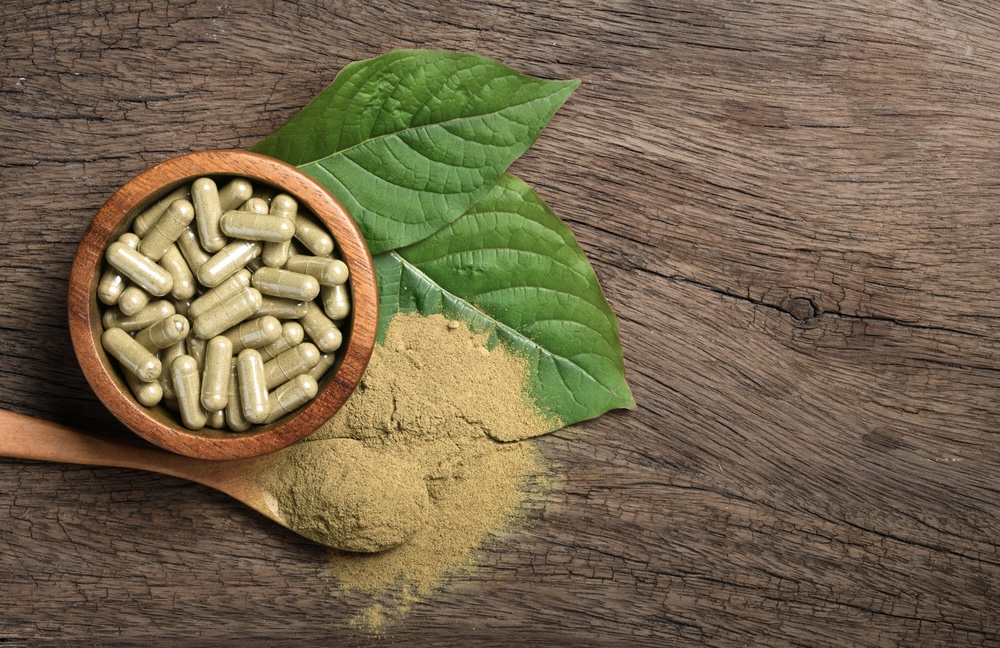
Not exactly. Kratom comes from the Mitragyna speciosa tree, which grows in Southeast Asia. The leaves contain natural compounds called kratom alkaloids. These compounds act on the same brain receptors as opioids, producing pain relief and a sense of calm or energy, depending on how much you take.
Many people use kratom to manage pain, improve mood, or ease withdrawal symptoms from other drugs. People often use the leaves as tea or in powder form made into capsules. However, because it affects the brain in similar ways to opioids, regular or heavy use can lead to dependence.
It’s not considered an illegal drug at the federal level in the United States. However, several states and cities have banned it due to its potential for abuse and addiction.
Does Kratom Show Up on A Drug Test?
It depends. Standard workplace tests like the 5-panel drug test usually check for substances such as marijuana, cocaine, opiates, amphetamines and pcp. These tests don’t normally detect kratom because they aren’t designed to.
However, some employers or labs use expanded screenings, like a 10-panel drug test. These tests can include more substances, including kratom. Whether or not kratom is found depends on what the test looks for and how it’s performed.
Does Kratom Show Up on A Blood Test?
Yes, blood tests can find traces of kratom if the test is made to look for it. However, the detection period is short with usually only a couple of days after you’ve used it.
This means blood testing can only confirm recent kratom use. After that short time, the substance typically leaves your bloodstream.
Does Kratom Show Up on A Urine Test?

This is the most common type of test. Urine testing can find kratom if the lab specifically tests for kratom. The substance may be detected for 5 to 7 days depending on how often you use it.
Your metabolism, dosage, and body type also affect how long it stays in your system. In general, kratom may show up for a few days to about a week after use.
Does Kratom Show Up on A Saliva Test?
At the moment, saliva tests aren’t reliable for detecting kratom. These tests are often used in workplaces or roadside checks, but kratom usually doesn’t appear on them.
Even if the lab includes kratom in the screening, it's hard to trace through saliva samples.
Does Kratom Show Up on A Hair Test?
Hair testing can usually detect drug use going back up to 90 days. It’s one of the most detailed forms of testing available.
However, there isn’t much proof that kratom can be traced this way. While hair follicle testing is powerful for other substances, kratom doesn’t often show up in hair tests.
Treatment for Kratom Abuse
Even though kratom isn’t as well-known as other drugs, it can still lead to dependence and withdrawal. Some people find it hard to stop once they start using it regularly. This is especially true for those who use it to self-treat anxiety, pain, or opioid withdrawal.
If you’re struggling with kratom or any other substance, it’s important to seek help. Addiction treatment programs can address not just the physical side of withdrawal, but also the emotional issues that drive use. Therapy, medical detox, and support groups can help you recover and prevent long term relapse.
Substance Abuse Treatment in Anaheim, CA
Kratom may not appear on every drug test, but that doesn’t make it risk-free. Depending on the test type and how recently you used it, it can sometimes be detected. Understanding the detection window helps you make informed choices about your health and future.
If you or someone you love is struggling with kratom or another substance, Anaheim Lighthouse can help. Our team provides caring, evidence-based treatment for addiction and co-occurring disorders. Contact Anaheim Lighthouse today to start your recovery journey with professional support and understanding.