What to Pack for Inpatient Rehab?

Preparing for rehab can bring up a lot of emotions. You may feel nervous, uncertain, or even overwhelmed as you think about leaving home and entering treatment. Many people wonder what they should bring, what they should leave behind, and how to prepare for their stay. While every facility has its own rules, this guide covers what is typically allowed, restricted, or reviewed before admission.
When you enter inpatient rehab, your goal is to create a safe and stable environment where healing can begin. Treatment centers usually provide many basic necessities, but there are still personal items you may need during your stay. Knowing what to expect can make the transition smoother and reduce stress before admission. It can also help you feel more prepared as you begin this important step toward recovery.
Contact Us Today for a Confidential Assessment.
Call (877) 959-5909 Now to Speak with a Specialist
Items to Pack
Packing the right items helps you stay comfortable and focused during treatment. Most rehab centers recommend bringing enough clothing and essentials for about a week to ten days since laundry facilities are usually available. You should also pack practical items that support your daily routine without creating distractions inside the treatment environment.
- Comfortable clothing: Bring modest and comfortable clothes appropriate for a shared environment.
- Workout clothes and athletic shoes: Many rehab programs include physical activity or gym access as part of recovery.
- Personal hygiene items: Toiletries are important, but products should not contain alcohol ingredients.
- Valid identification: Bring a current state ID or driver’s license for admission purposes.
- Insurance information: Your insurance card and important paperwork help streamline the admissions process.
- Prescription medications: Bring all prescribed medications in their original prescription bottles.
- List of medications: Include information about any current or past medications you have taken.
- Cash or gift cards: Small amounts may be useful for personal shopping or approved purchases.
- Comfort items: A journal, books, or family photos may help you feel more grounded during treatment.
Items Not to Pack
Rehab centers also have rules about what should not be brought into treatment. These guidelines are designed to keep the environment safe, focused, and supportive for everyone. Bringing restricted items may delay admission or require staff to store those belongings until discharge.
- Laptop computers: Personal electronics are often restricted to reduce distractions during treatment.
- Weapons: Any form of weapon is prohibited for the safety of all clients and staff.
- Expensive jewelry: Valuable items can become lost or create unnecessary stress during your stay.
- Large amounts of cash: Bring only a small amount for approved personal needs.
- Unapproved medications: Medications that are not properly labeled or approved by the facility may not be allowed.
- Alcohol-based products: Certain hygiene products, sprays, or mouthwashes may be restricted due to alcohol content.
- Outside substances: Drugs, alcohol, or paraphernalia are strictly prohibited in rehab facilities.
- Distracting entertainment devices: Some facilities limit gaming systems or unnecessary electronics during treatment.
Packing Medications, Smoking Products, and Phones
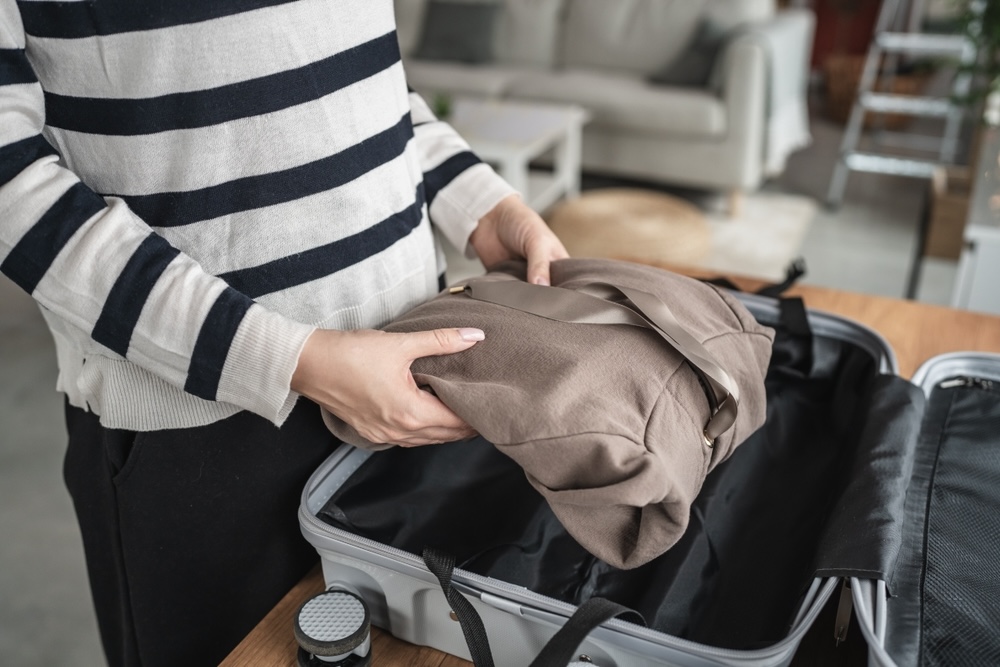
Rules for medications, smoking products, and phones can vary by facility, so it is always best to ask before admission. In most cases, prescription medications must be brought in their original prescription bottles. The treatment team will review them when you arrive to confirm what is approved and safe to use during your stay.
Over the counter medications also depend on the facility’s policy. Some rehabs provide approved OTC medications for common issues, while others may allow you to bring certain items if they are sealed, properly labeled, and approved in advance. If you require a specific OTC product, ask whether you need documentation from your doctor.
Smoking and vaping policies also differ. Some facilities allow cigarettes, disposable vapes, or vape juice only if they are unopened. Others may test or inspect vape products on arrival.
Phone use can also vary. Many inpatient programs limit phone access during detox or early residential care, then allow use during scheduled hours later in treatment.
Inpatient Rehab in Anaheim, CA
Packing for rehab does not have to feel overwhelming. Bringing comfortable clothing, important documents, approved medications, and basic essentials can help make your transition into treatment smoother. At the same time, avoiding restricted items helps create a safe and focused environment where recovery can begin. Preparing ahead of time allows you to enter treatment with less stress and more confidence.
At Anaheim Lighthouse Treatment Center, we help individuals feel supported from the moment they arrive. Our compassionate team provides structured inpatient treatment, detox support, therapy, and long-term recovery planning in a safe and welcoming environment. We understand that entering rehab can feel intimidating, which is why we guide you through every step of the process. With the right support and preparation, you can begin building a healthier and more stable future.